Welcome to Our Health Is Wealth
Welcome to Our Health Is Wealth, where we dedicate our page to health and wellness through all ages and stages.
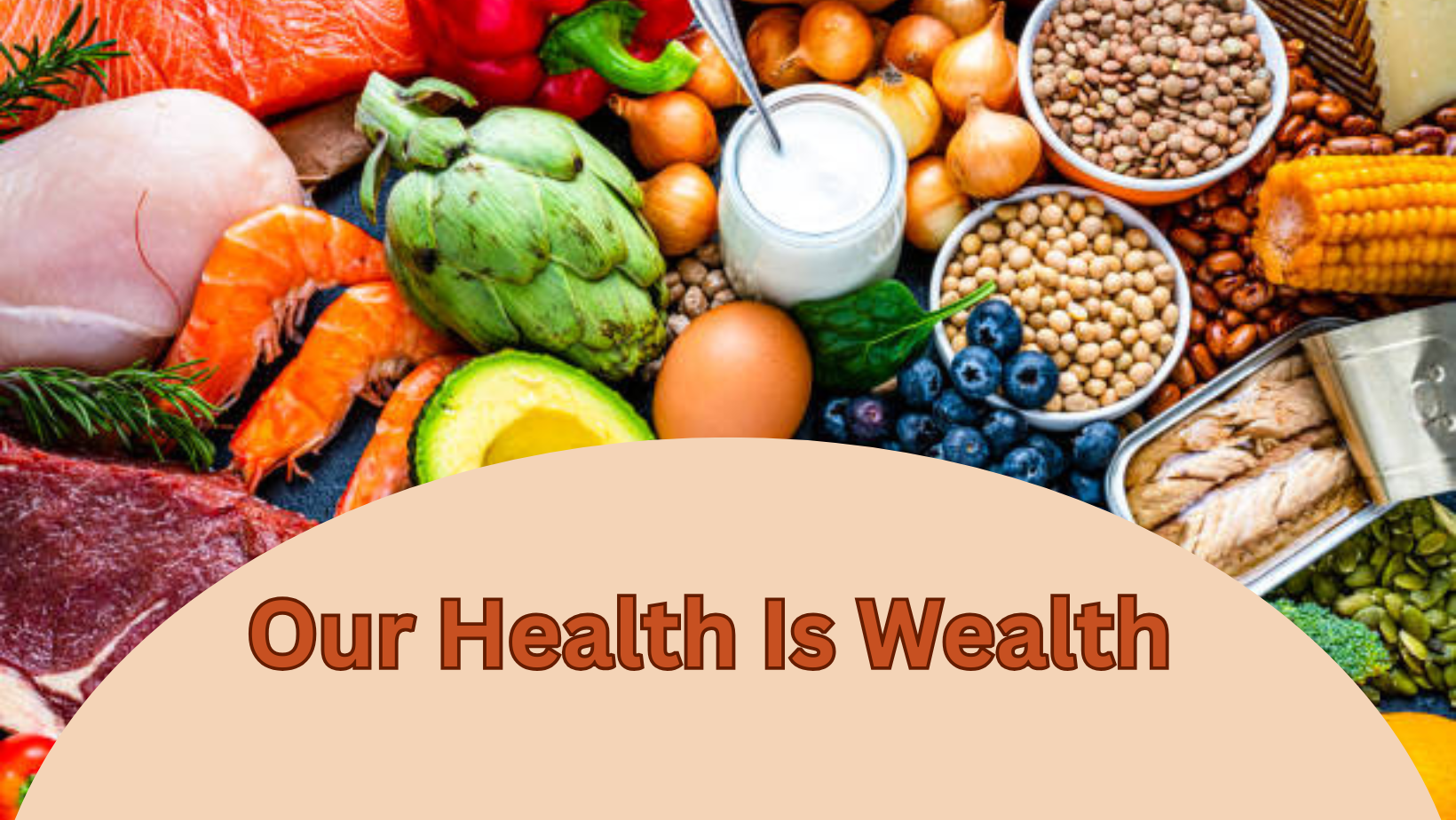
Read Our Latests Blogs Here

The Best Low Impact Exercises For Over 40
As we age, our bodies may not be able to handle high impact exercises like we used to. This doesn't mean we have to give up on exercising altogether. In fact, staying physically active is even more important as we get older. Not only does it help us maintain a healthy weight and prevent chronic diseases, but it also improves our balance, flexibility, and overall well-being. Low impact exercises are a great option for those over 40 as they are easier on the joints and can still provide a challenging workout. Here are the best low impact exercises for over 40's.
1. Walking
Walking is one of the most accessible and beneficial low impact exercises for people of all ages. It requires no equipment and can be done anywhere, making it a great option for those with busy schedules. Walking can help improve cardiovascular health, strengthen bones, and boost mood. To make it more challenging, you can increase your pace, walk uphill, or add weights to your routine.
2. Swimming
Swimming is a full-body workout that is gentle on the joints. It is especially beneficial for those with arthritis or joint pain. The water provides resistance, making it an effective way to build strength and endurance. Swimming can also improve cardiovascular health and increase flexibility. If you are new to swimming, start with a few laps and gradually increase the distance as you get stronger.
3. Yoga
Yoga is a low impact exercise that focuses on slow and controlled movements and deep breathing. It can help improve balance, flexibility, and strength. Yoga also has mental benefits, such as reducing stress and improving mood. There are many different types of yoga, so it's important to find a class that suits your needs and abilities. It's also a good idea to inform your instructor about any health concerns you may have, so they can modify the poses for you.
4. Cycling
Cycling is a low impact exercise that can be done indoors or outdoors. It is a great cardiovascular workout that also strengthens the legs and core. If you have knee or joint pain, cycling can be a good alternative to running or other high impact exercises. You can adjust the resistance and speed on a stationary bike to make it more challenging, or take a leisurely ride outside to enjoy the scenery.
5. Pilates
Pilates is a low impact exercise that focuses on strengthening the core muscles, improving posture, and increasing flexibility. It involves slow and controlled movements that target specific muscle groups. Pilates can also help alleviate back pain and improve balance. There are many different levels of Pilates, so it's important to find a class that is suitable for your fitness level.
6. Tai Chi
Tai Chi is a low impact exercise that originated in China and combines slow, fluid movements with deep breathing. It is often referred to as "meditation in motion" and has been shown to improve balance, flexibility, and mental well-being. Tai Chi can also help reduce stress and anxiety. It is a low impact exercise that can be done indoors or outdoors, making it a great option for people of all fitness levels.
In conclusion, staying physically active is crucial for our health and well-being, especially as we age. Low impact exercises are a great option for those over 40 as they are gentler on the joints and can still provide a challenging workout. Whether it's walking, swimming, yoga, cycling, Pilates, or Tai Chi, there are plenty of low impact exercises to choose from. Remember to always listen to your body and consult with your doctor before starting any new exercise routine. With consistency and determination, you can maintain a healthy and active lifestyle well into your 40s and beyond.
The Healthiest Food To Eat When You Are Over 40
As we age, our bodies undergo many changes and our nutritional needs may also shift. The foods we ate in our 20s and 30s may not be as beneficial for our bodies in our 40s and beyond. In fact, a study published in the Journal of Nutrition found that adults over 40 have different nutritional requirements than younger adults, and it's important to adjust our diets accordingly.
So what are the healthiest foods to eat when you are over 40? Here are some recommendations to help you maintain optimal health and vitality as you age.
1. Leafy Greens
Leafy greens, such as spinach, kale, and collard greens, are packed with essential vitamins and minerals that are important for overall health. These greens are rich in antioxidants, which help fight off free radicals that can damage cells and lead to chronic diseases. They are also a good source of fiber, which can help with digestion and keep you feeling full longer.
2. Fatty Fish
As we age, our bodies become more prone to inflammation, which is linked to many chronic diseases. Eating fatty fish, such as salmon, mackerel, and sardines, can help reduce inflammation due to their high levels of omega-3 fatty acids. Omega-3s also support brain health, which is important as we age and may help prevent conditions such as dementia and Alzheimer's disease.
3. Nuts and Seeds
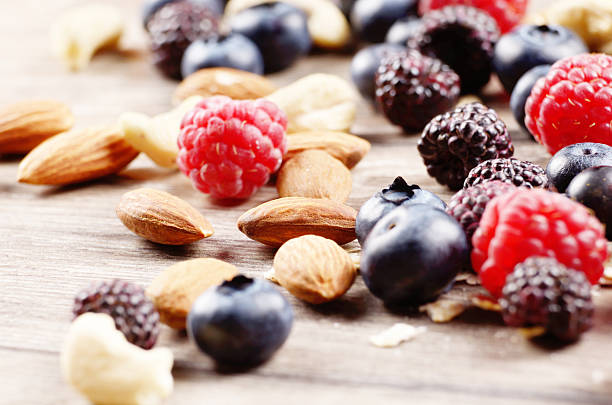
Nuts and seeds are a great source of healthy fats, protein, and fiber. They also contain important nutrients like vitamin E, magnesium, and selenium. Studies have shown that including nuts and seeds in your diet may help lower the risk of heart disease and may even help with weight management. Aim for a variety of nuts and seeds, such as almonds, walnuts, chia seeds, and flaxseeds.
4. Whole Grains
Whole grains, such as quinoa, brown rice, and whole wheat, are a good source of complex carbohydrates, which provide sustained energy and help regulate blood sugar levels. They also contain important nutrients like fiber, B vitamins, and minerals like magnesium and selenium. Including whole grains in your diet can help lower the risk of heart disease, type 2 diabetes, and certain types of cancer.
5. Lean Proteins
Protein is an essential nutrient for maintaining muscle mass and strength, which is especially important as we age. However, it's important to choose lean protein sources to avoid excess saturated fat and cholesterol. Some healthy options include chicken, turkey, lean cuts of beef, tofu, and legumes like lentils and beans.
6. Berries
Berries, such as blueberries, strawberries, and blackberries, are packed with antioxidants and other important nutrients like vitamin C and fiber. They have been linked to improved cognitive function, reduced risk of heart disease, and may even help with weight management. Try adding a handful of berries to your breakfast or snack for a burst of flavor and nutrition.
7. Fermented Foods
Fermented foods, such as yogurt, kefir, sauerkraut, and kimchi, are rich in probiotics, which are beneficial bacteria that help maintain a healthy gut microbiome. As we age, our gut health may decline, making it more important to include probiotic-rich foods in our diet. Probiotics have been linked to improved digestion, immune function, and even mood.
8. Colorful Vegetables
Vegetables of all colors are important for a well-rounded, healthy diet. Each color represents different nutrients and antioxidants that are beneficial for our bodies. For example, orange vegetables like carrots and sweet potatoes are high in beta-carotene, which is important for eye health, while green vegetables like broccoli and asparagus are rich in vitamin K, which is essential for maintaining healthy bones.
9. Healthy Fats
It's important to include healthy fats in your diet, especially as you age. Avocados, olive oil, and coconut oil are all great sources of monounsaturated and polyunsaturated fats, which can help lower cholesterol levels and reduce the risk of heart disease. These healthy fats are also important for maintaining healthy skin and hair.
10. Water
Last but certainly not least, water is essential for overall health and should be a staple in your diet, especially as you age. Staying hydrated helps with digestion, energy levels, and can even help with weight management. Aim for at least 8 glasses of water a day and try to limit sugary drinks, which can contribute to inflammation and weight gain.
In conclusion, as we age, our nutritional needs may change, but it's important to maintain a well-balanced diet that includes a variety of nutrient-dense foods. Incorporating these 10 healthiest foods into your diet can help support your overall health and well-being as you enter your 40s and beyond. Remember to also listen to your body and consult with a healthcare professional if you have any specific dietary needs or concerns.